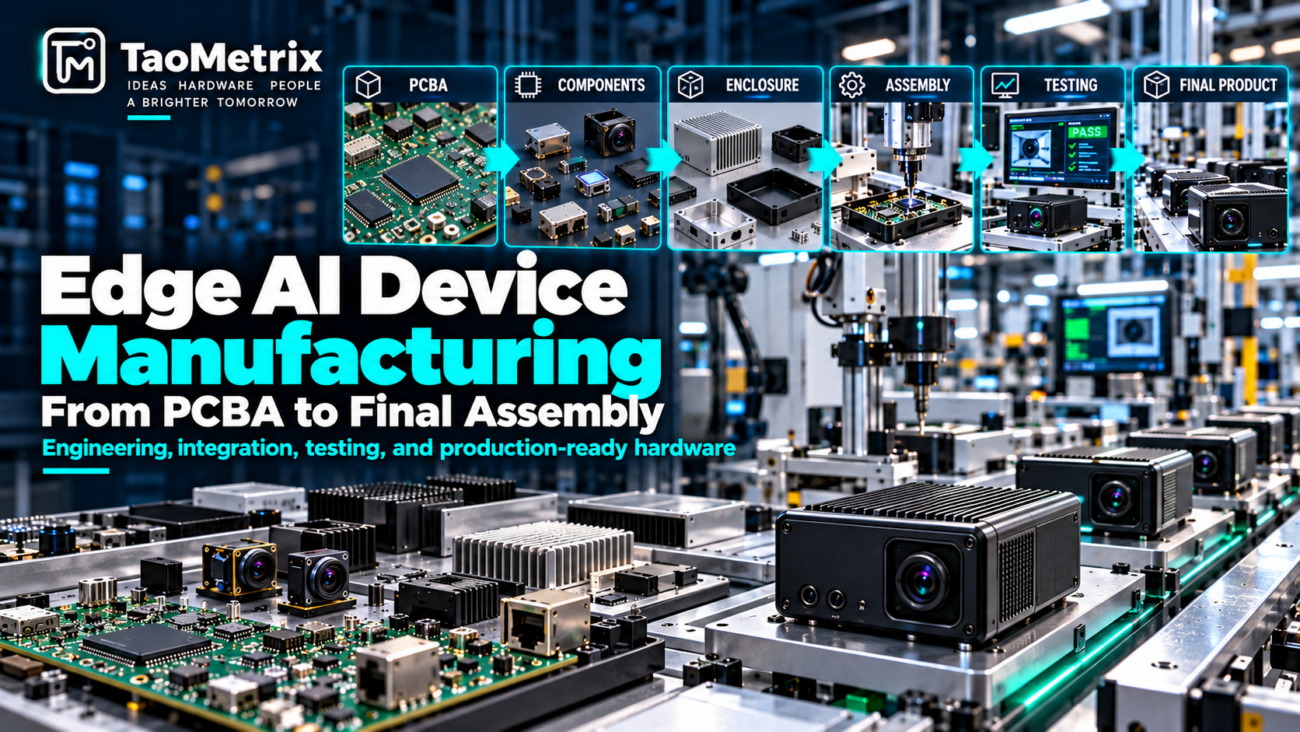
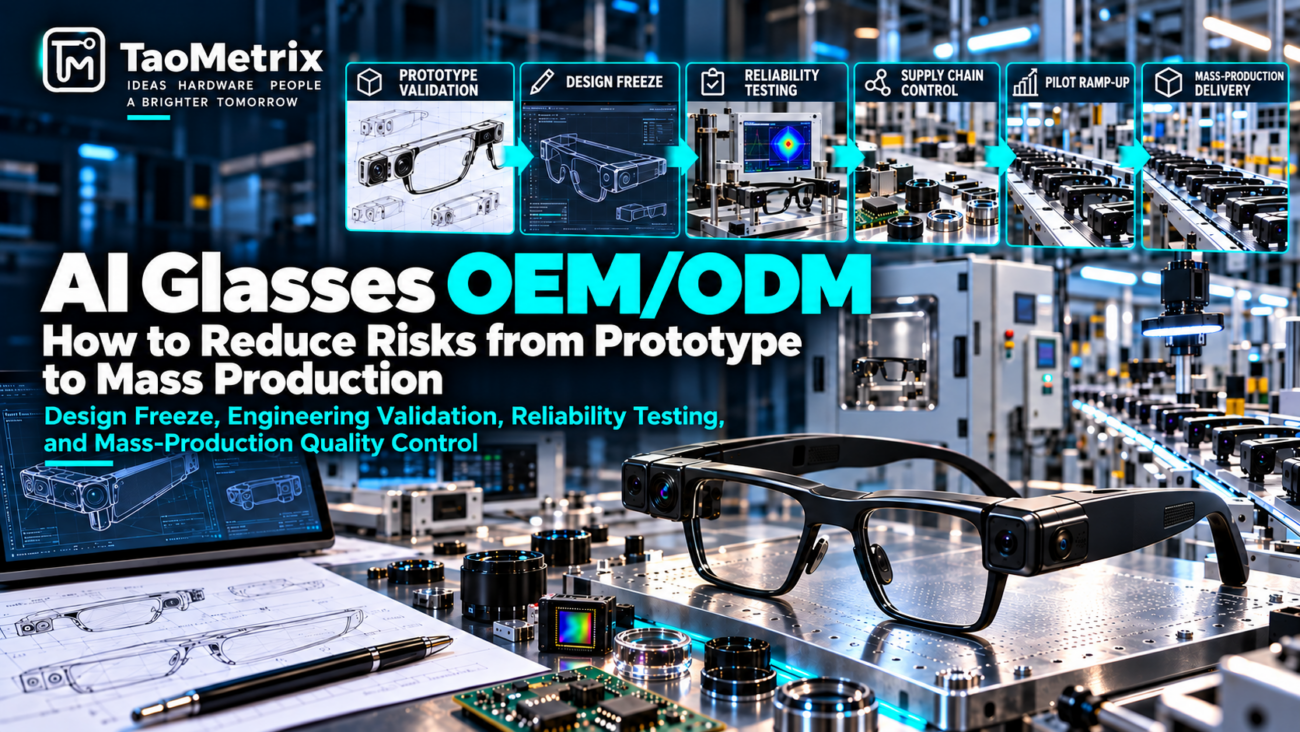
Artificial intelligence is moving from software-only applications into physical products.
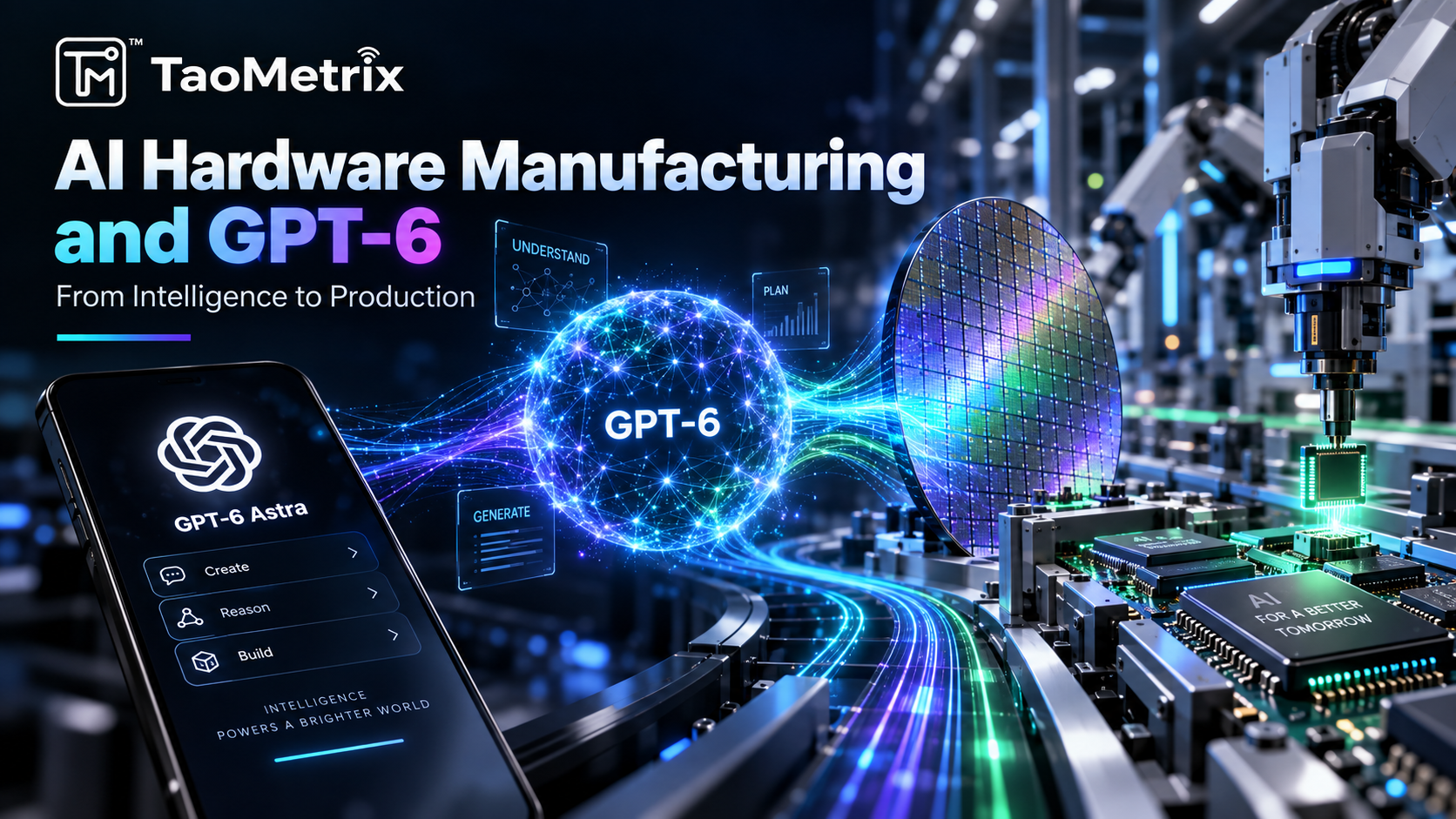
AI glasses, edge AI cameras, smart robots, intelligent sensors and other connected devices all require a combination of hardware, embedded software, cloud services and manufacturing processes. As future AI models become more capable, including potential systems such as GPT-6, their impact may extend beyond chat interfaces and software tools.
They could influence how products are designed, tested, documented and manufactured.
At TaoMetrix, we view this development from a practical hardware perspective. The important question is not simply whether a future AI model can generate text or answer questions. The more important question is how advanced AI could help hardware teams reduce engineering friction and improve the path from product concept to reliable production.
What Could GPT-6 Mean for AI Hardware?
GPT-6 is not being treated here as a confirmed product specification or publicly verified manufacturing technology. Instead, it represents a possible next generation of large AI models with stronger reasoning, multimodal understanding, tool use and ability to work with complex technical information.
If these capabilities continue to improve, AI could support hardware teams in areas such as:
- Product requirements analysis
- Hardware specification review
- BOM organization
- Manufacturing documentation
- Test-plan generation
- Production troubleshooting
- Quality inspection support
- Engineering-change tracking
- Factory knowledge management
- Customer and supplier communication
AI would not replace engineering validation or production testing. Its most practical role would be helping teams process information faster and make fewer avoidable mistakes.
Why AI Hardware Manufacturing Is Difficult
AI hardware products are usually multidisciplinary systems.
A single device may include:
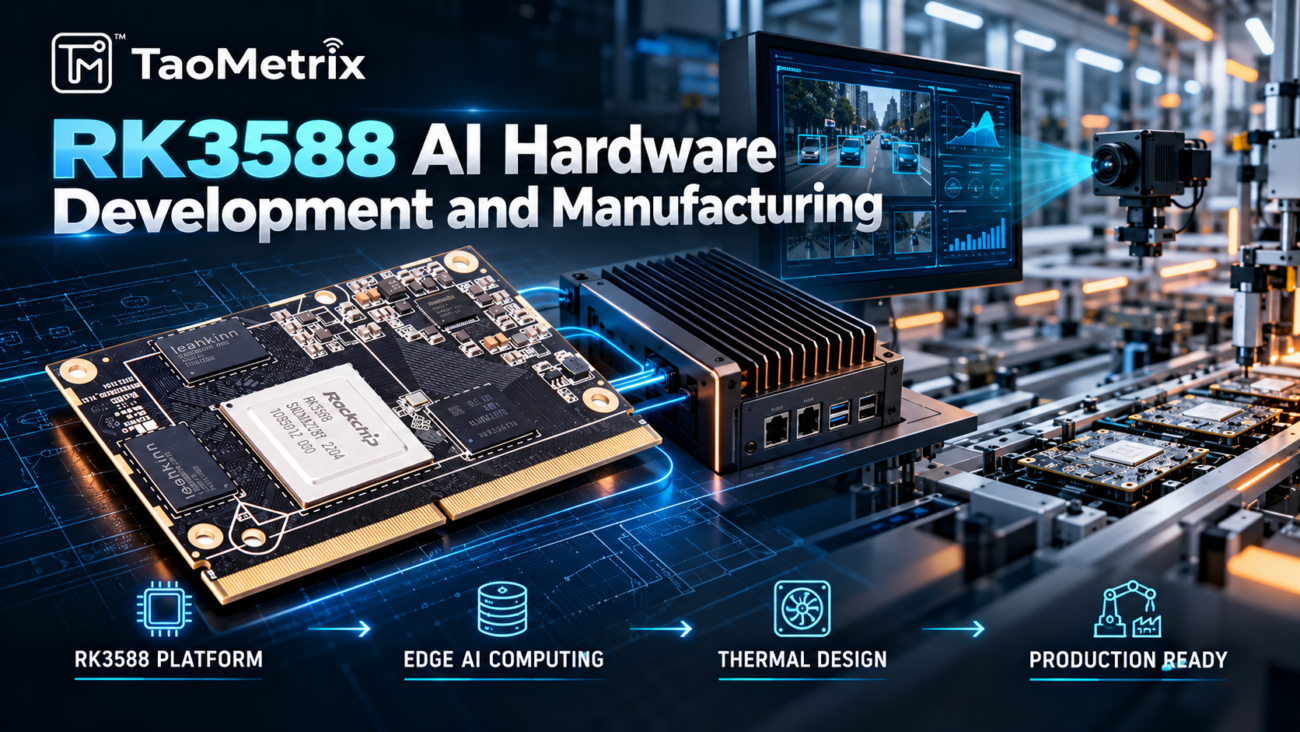
- Main processor or AI computing platform
- Cameras and image sensors
- Microphones and speakers
- Wireless communication
- Antennas
- Batteries and charging circuits
- PCB and flexible PCBA
- Mechanical housing
- Thermal-management components
- Firmware and mobile applications
- Cloud-based AI services
These systems must work together under real-world constraints.
A camera must fit within the enclosure. A battery must provide sufficient operating time without making the product too heavy. A processor must deliver enough performance without generating excessive heat. Wireless communication must remain stable despite limited antenna space.
Manufacturing adds another layer of complexity. The design must not only work in a prototype. It must also be assembled, tested and reproduced consistently.
Potential Applications of Advanced AI in the Factory
1. Engineering Documentation
Hardware projects generate large amounts of technical information, including specifications, drawings, BOMs, assembly instructions, inspection standards and test records.
An advanced AI system could help organize this information and answer questions such as:
- Which revision of the BOM is current?
- Which components changed between two engineering versions?
- Which assembly step requires a special fixture?
- Which test is required after battery installation?
- Which parts are still awaiting approval?
This could reduce the time engineers spend searching through disconnected files.
2. Design for Manufacturing Review
AI could assist engineers by reviewing product designs against manufacturing rules.
For example, an AI system might help identify:
- Difficult assembly steps
- Potential cable interference
- Parts with unclear orientation
- Excessively complex fastener combinations
- Missing inspection points
- Components that need additional support
- Possible risks in manual assembly
This would not replace a DFM engineer. Instead, it could provide an earlier review layer before the design reaches pilot production.
3. Quality-Control Assistance
AI-powered vision systems can support inspection of:
- Component presence
- Connector alignment
- Soldering quality
- Housing gaps
- Cosmetic defects
- Label placement
- Assembly orientation
- Product identification
For AI hardware, quality control may eventually combine image inspection with test data, manufacturing history and device-level diagnostics.
A future system could help identify patterns such as repeated defects at one station or a failure rate connected to a specific component batch.
4. Production Troubleshooting
When a product fails functional testing, engineers may need to compare test results, firmware versions, component lots and assembly records.
An advanced AI assistant could help organize the evidence and suggest possible causes. For example:
- Is the failure related to a recent firmware change?
- Did the failure begin after a component substitution?
- Are affected units from the same production batch?
- Does the failure appear only under a specific temperature or voltage?
- Which previous corrective actions were successful?
The final decision would still belong to qualified engineers, but the investigation process could become faster and more systematic.
5. Customer and Supplier Communication
AI could also help connect different participants in a hardware project.
Product teams, suppliers, engineers and factories often use different terminology and document formats. An AI system could help summarize:
- Customer requirements
- Open engineering questions
- Supplier quotations
- Material substitutions
- Test results
- Pilot-production feedback
- Delivery risks
This could reduce misunderstandings between product design and manufacturing teams.
GPT-6 and the Future of Human-Machine Collaboration
The most useful role for advanced AI in manufacturing may not be full automation. It may be collaboration.
Engineers still need to make decisions about:
- Product safety
- Mechanical reliability
- Component availability
- Certification
- Cost
- Production risk
- Customer requirements
- Real-world user experience
AI can help process information, compare alternatives and identify inconsistencies. Human teams remain responsible for engineering judgment, physical validation and final approval.
This division of responsibility is especially important for products such as wearables, robots and battery-powered devices, where small errors can affect safety and reliability.
What Will Not Change
Even with more capable AI models, several manufacturing fundamentals will remain important.
Physical Testing
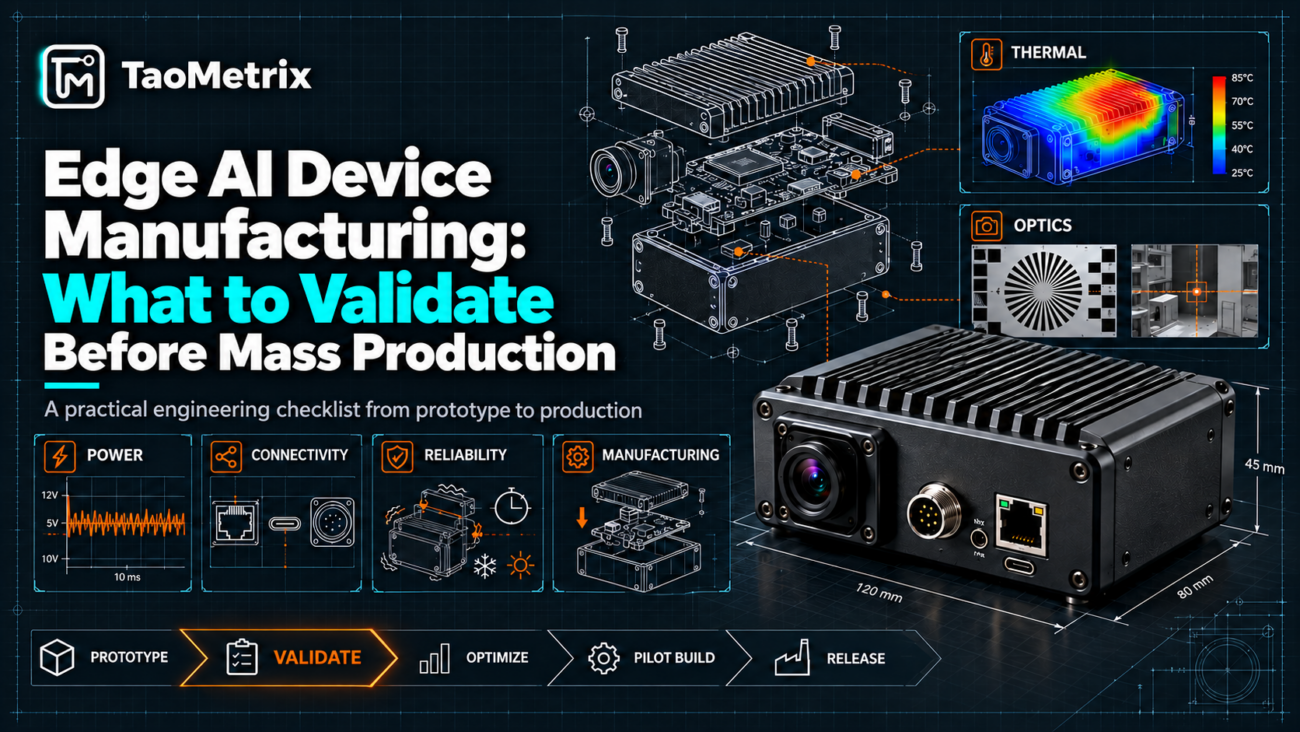
A simulation or AI recommendation cannot replace real testing of:
- Battery life
- Charging safety
- Thermal performance
- Drop resistance
- Mechanical fatigue
- Wireless stability
- Audio quality
- Camera alignment
- Long-term operation
Supply-Chain Control
AI can help analyze a supply chain, but it cannot eliminate the need to verify:
- Component availability
- Lead times
- Supplier consistency
- Approved substitutions
- Incoming quality
- Regulatory requirements
Process Discipline
A reliable product still requires:
- Clear work instructions
- Controlled revisions
- Traceable materials
- Defined inspection standards
- Trained operators
- Repeatable test procedures
- Corrective-action records
AI can make these processes more efficient, but it cannot compensate for missing process ownership.
How TaoMetrix Prepares for AI-Driven Hardware Development
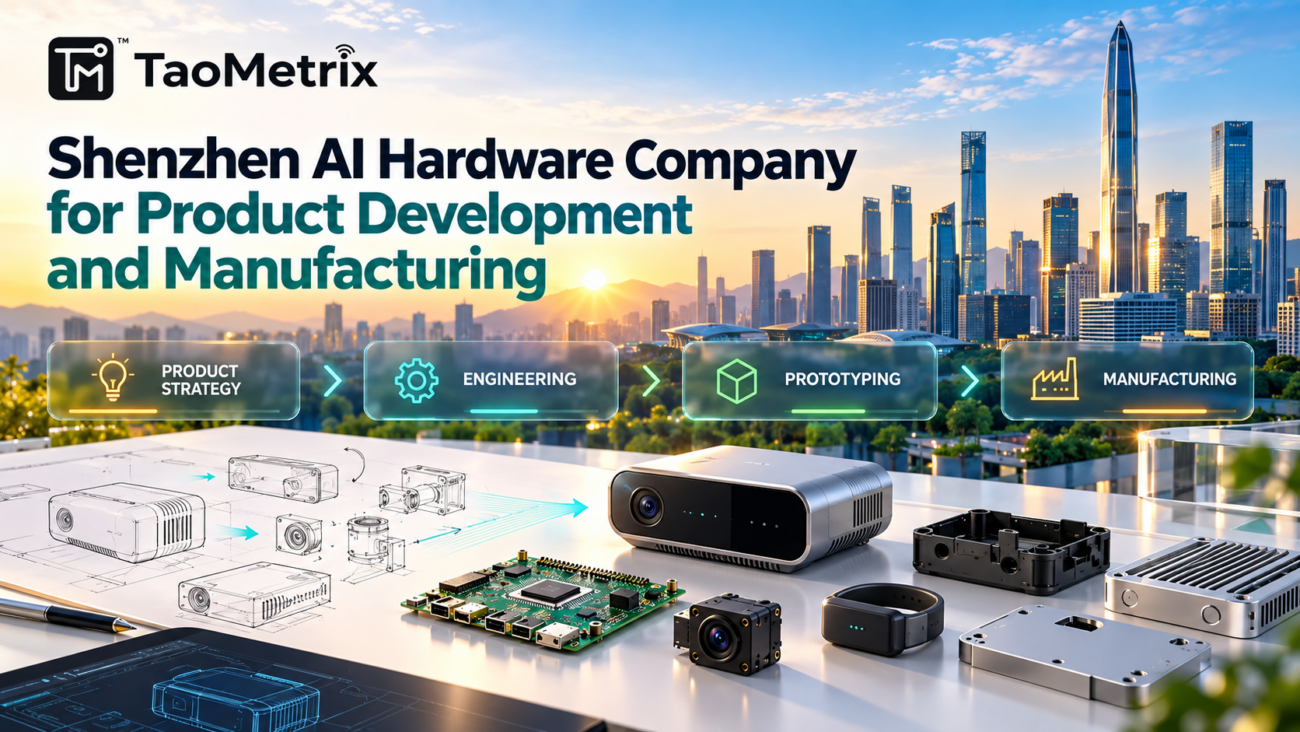
TaoMetrix focuses on the practical connection between product engineering and manufacturing.
Depending on project requirements, TaoMetrix can support:
- PCB and SMT assembly
- PCBA integration
- Camera, audio and wireless-module integration
- Battery and charging-system assembly
- Mechanical and enclosure assembly
- Firmware loading
- Testes funcionais
- DFM review
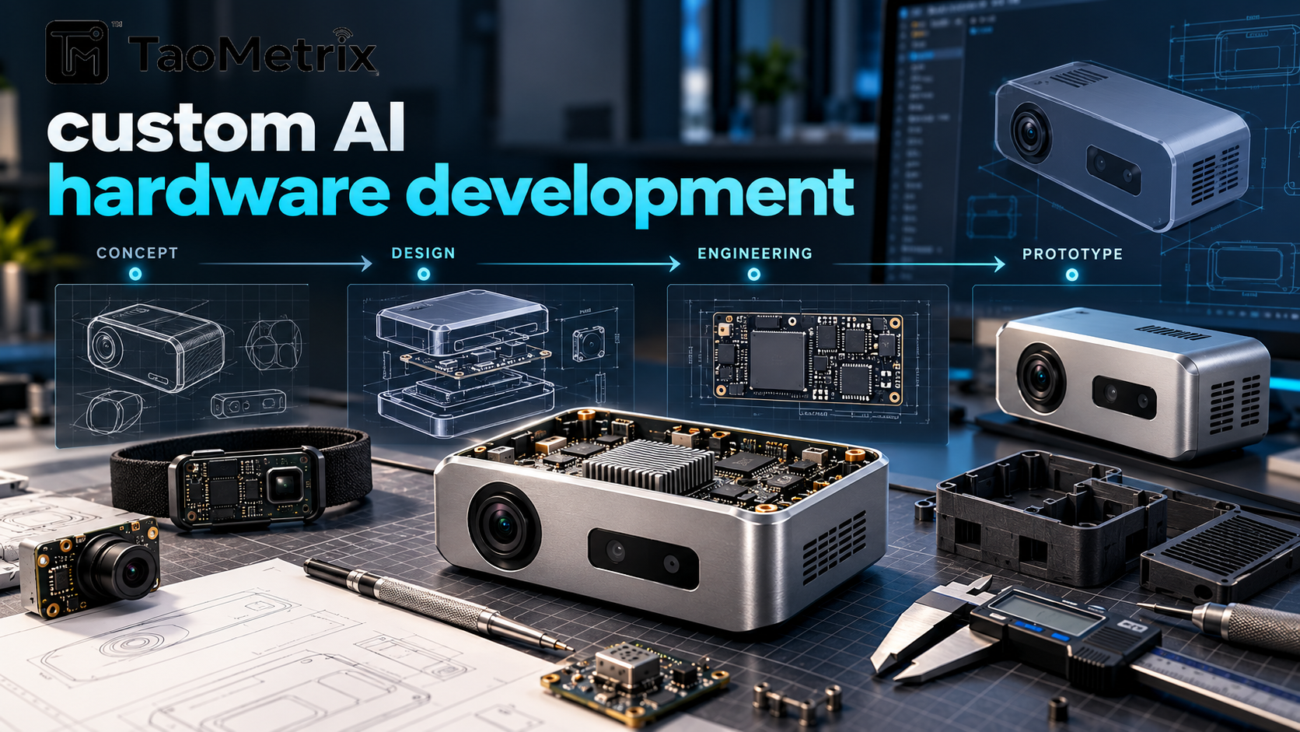
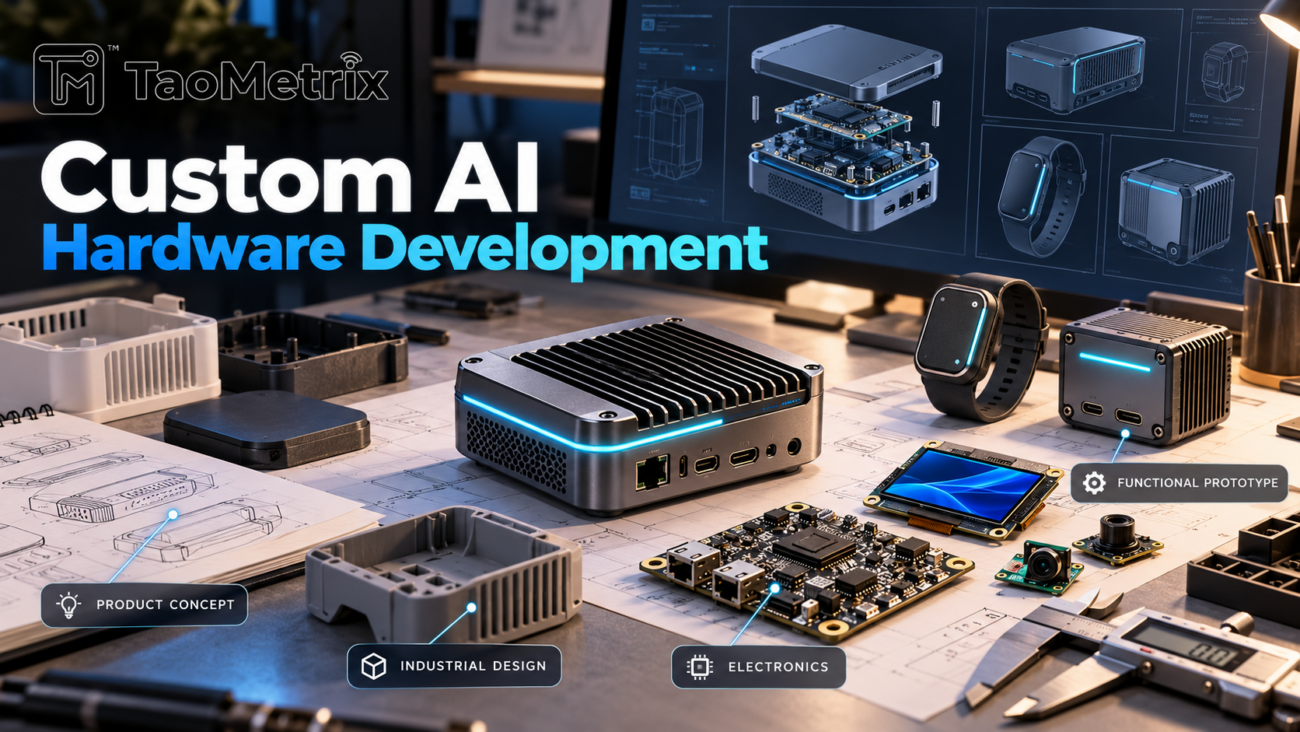
- Prototype development
- Produção-piloto
- Quality inspection
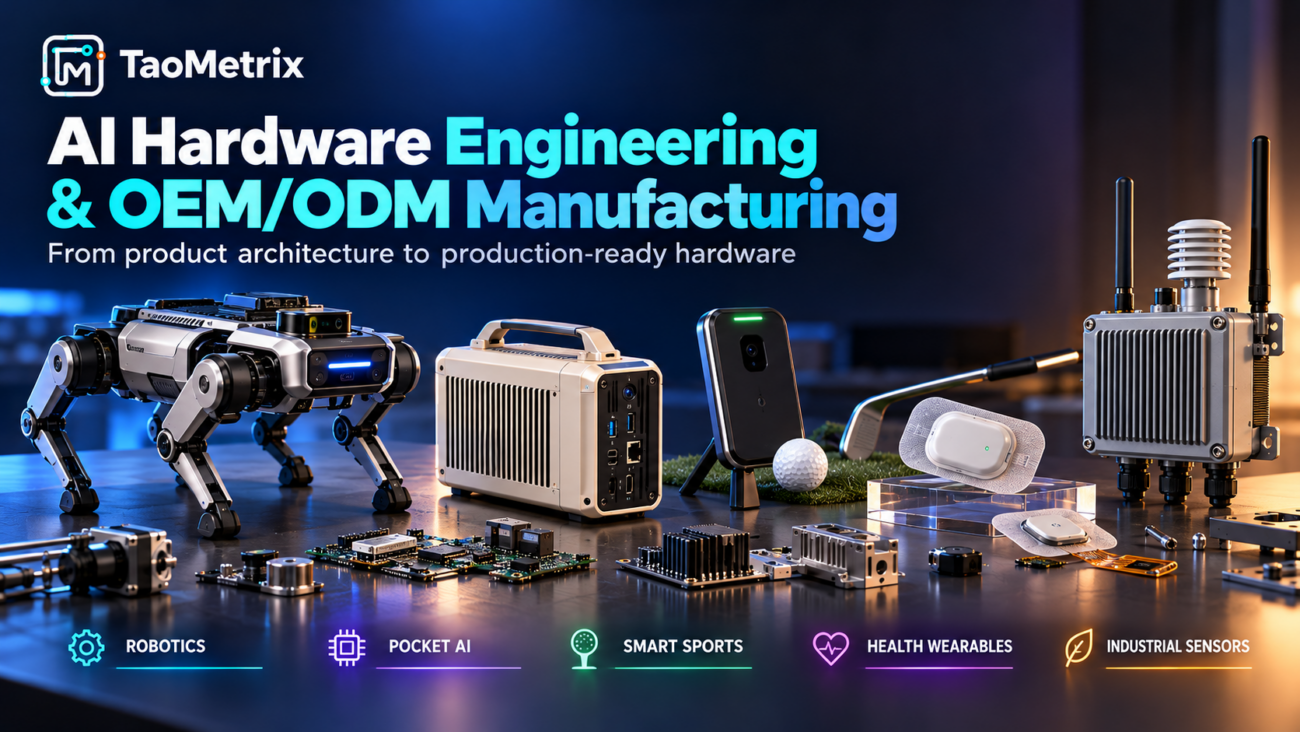
- OEM and ODM manufacturing coordination
For future AI-enabled products, the manufacturing process may also require better data organization, digital work instructions, test-data collection and version control.
These systems can create a stronger foundation for AI-assisted engineering and factory operations.
AI Hardware Categories That May Benefit
Advanced AI models could support the development of many product categories, including:
- Óculos com IA
- Edge AI cameras
- Smart sensors
- Compact robots
- Intelligent home devices
- Wearable electronics
- AI education kits
- Industrial monitoring terminals
- Voice-enabled hardware
- Developer platforms
Each category has different requirements, but the common challenge is the same: integrating intelligence into a physical product that must be reliable, comfortable, safe and manufacturable.
Questions for AI Hardware Teams
Before applying advanced AI to a hardware project, teams should clarify:
- What problem is the device solving?
- Which functions require local AI processing?
- Which functions depend on a phone or cloud service?
- What are the target weight, size and battery requirements?
- Which components are high-risk or difficult to source?
- What testing is required before pilot production?
- How will firmware and hardware revisions be controlled?
- What manufacturing data should be collected?
- Which tasks should remain under human engineering approval?
- What information can be shared with an AI system safely?
These questions help ensure that AI is applied to real operational needs rather than added only as a marketing feature.
Conclusão
The future of AI hardware manufacturing will likely involve closer cooperation between people, intelligent software and physical production systems.
Potential future models such as GPT-6 may help teams understand technical documents, review manufacturing information, identify risks and coordinate complex workflows. However, successful hardware still depends on physical engineering, reliable components, disciplined testing and repeatable manufacturing.
From TaoMetrix’s perspective, the opportunity is to connect these capabilities in a practical way. AI may help teams move faster, but manufacturing expertise is still required to turn a promising concept into a product that can be built consistently.
TaoMetrix supports AI hardware companies through engineering coordination, prototype manufacturing, DFM review, testing, pilot production and OEM/ODM manufacturing.
If you are developing an AI device and want to evaluate its path to production, prepare your product requirements, available design files, target quantity, timeline and testing expectations for an initial manufacturing discussion.
Contacte a TaoMetrix to discuss your AI hardware project.